



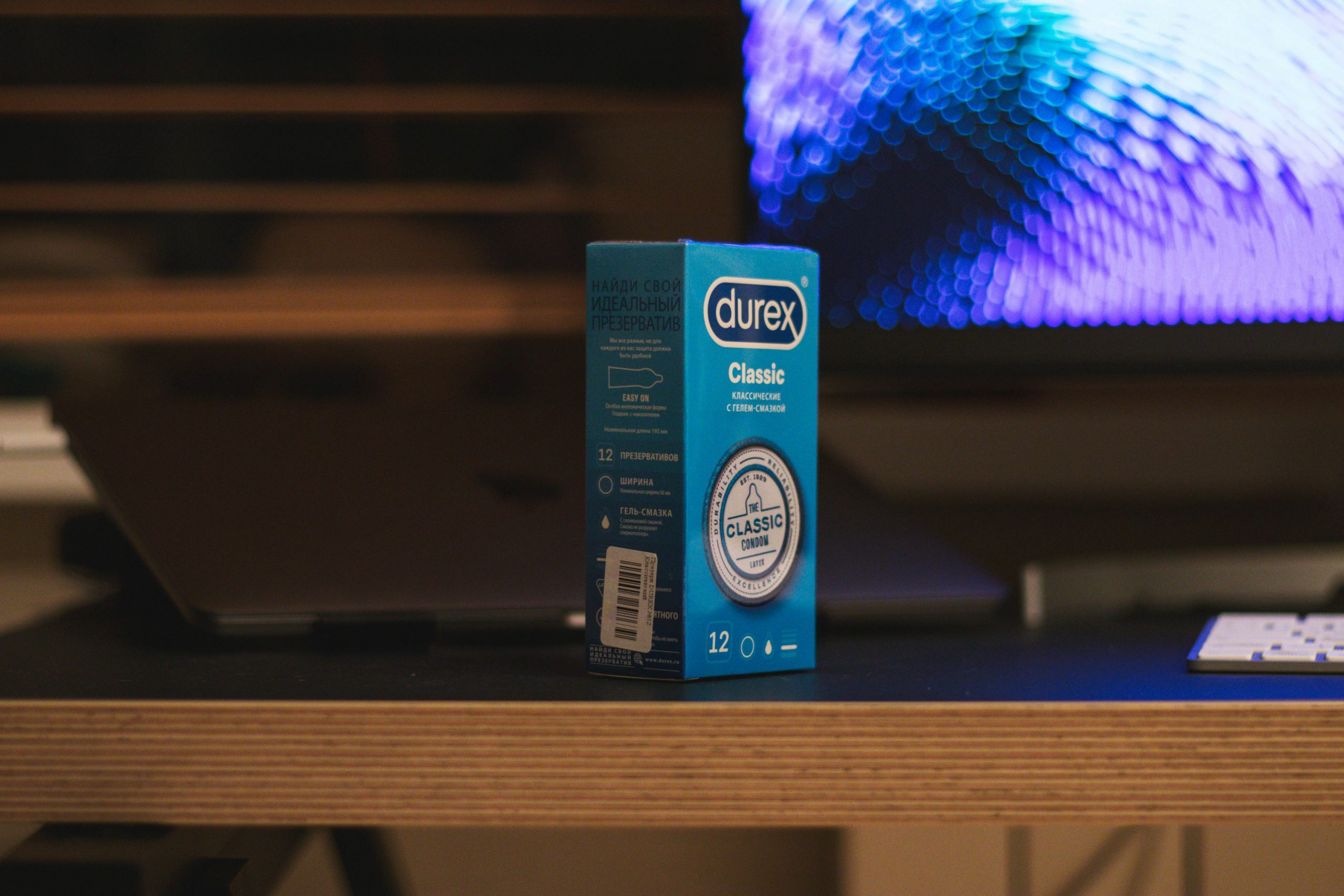
Consumer health and hygiene giant Reckitt Benckiser’s (RKT) Q4 like-for-like sales beat expectations as the Durex seller benefited from strong emerging markets growth.
The Slough-based group also provided a confident outlook, guiding for FY26 ‘Core Reckitt’ like-for-like revenue growth within its 4% to 5% medium-term range.
So why did the shares slide 4% to £58.23 in early dealings?
Well, the Dettol, Lysol and Nurofen maker warned conditions in Europe are likely to remain ‘challenging’. In addition, Reckitt flagged a Q1 impact on its over-the-counter (OTC) business from a weaker cold and flu season.
Forecast beat
Group like-for-like revenue grew 5.4% in the quarter to December 2025, ahead of the 4.7% growth expected in a company-compiled consensus.
Emerging markets proved the standout performer for Reckitt in FY25, with like-for-like sales growing 14.6%. This included double-digit growth in India, Indonesia, China and Colombia, driven by strength in intimate wellness, germ protection and self care product sales.
In contrast, Europe like-for-like slipped 1.4% lower against a tough consumer backdrop, while growth in North America was a meagre 0.2%.
Sales at infant formula arm Mead Johnson Nutrition improved 3.8%, with Reckitt calling out a strong international performance and a return to ‘more normalised trading’ in the US following 2024’s tornado disruption.
What did the CEO say?
FY25 pre-tax profits rose 5.2% to £3.3 billion on a constant currency basis, supported by Reckitt’s ‘Fuel for Growth’ cost reduction programme.
‘Our Fuel for Growth programme is reducing fixed costs, supporting continued investment, capability and efficiency,,’ explained CEO Kris Licht.
‘Our strategy continues to deliver. We have more work to do but our geographic footprint, portfolio of Powerbrands and focused organisational structure have strengthened our ability to deliver sustainable long-term growth.’
A strong core
The company guided for FY26 Core Reckitt like-for-like growth within its 4% to 5% medium-term range.
Core Reckitt, which excludes the divested Essential Home household cleaning division and Mead Johnson Nutrition, delivered robust like-for-like growth of 5.2% in FY25.
Reckitt returned £2.3 billion to shareholders during 2025, including a £1.6 billion special dividend paid in February 2026 driven by the £2.2 billion sale of Essential Home to Advent International.
It’s worth pointing out though that Reckitt still has an economic interest in Essential Home through its 30% stake in Advent’s special purpose acquisition vehicle.

In common with peers Nestle (NESN) and Unilever (ULVR), Reckitt has simplified its sprawling business. Through the Essential Home disposal, it has sharpened its focus on higher growth, higher margin brands.
Reckitt’s shares have dramatically underperformed the FTSE 100 over one and five years amid signs consumers are trading down to cheaper products.
However, Reckitt’s latest results and positive outlook demonstrate its Powerbrands are either holding or gaining market share.
That said, emerging markets are doing the heavy lifting at present, so investors will want to see growth improving in developed markets before buying in to the story.
Read the press release here: https://www.reckitt.com/investors/regulatory-news/
You might also like these stories:
