





Financial markets might be looking past the initial drama in the Middle East, clinging to hopes of a swift resolution to the crisis, but don’t hold your breath. US President Donald Trump said overnight that the US will do ‘whatever it takes’ to achieve its military objectives, indicating that operations could continue for several weeks.
For thousands of UK investors, now might be a good time to build a defensive edge to investment portfolios.
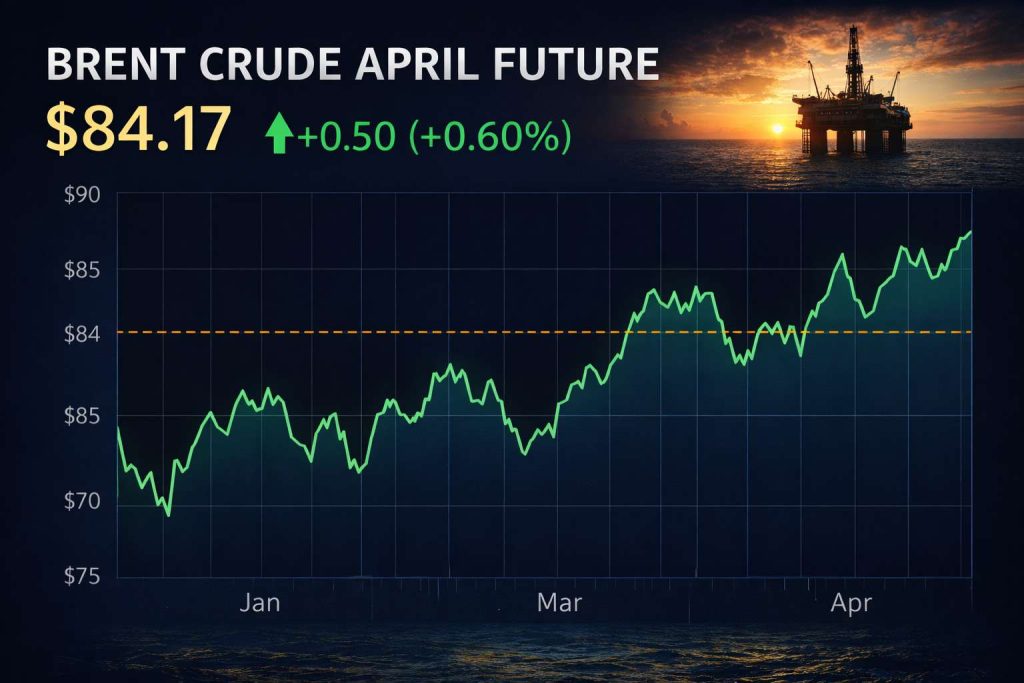
The possibility of increased military strikes has already driven oil prices to two-year highs. Benchmark West Texas Intermediate crude for April delivery has shot up 21% at $76.78 a barrel over the past month. Global benchmark Brent crude April delivery contracts are up 25%, at $84.17 a barrel.
Defence stocks have also seen a surge in interest. Companies like Palantir Technologies (PLTR), Northrop Grumman (NOC), and the UK’s BAE Systems (BA.) have seen shares price gains of 5%-6% so far this week. Gold is firmly back above $5,000 having dipped to $4,600 in early February.
What is a defensive portfolio?
A defensive portfolio is designed to:
- Protect capital during market downturns
- Reduce volatility
- Generate steadier income or returns
- Hold up better during economic uncertainty
Instead of chasing maximum growth, it prioritises resilience.
Typical characteristics:
- Lower beta (less sensitive to market swings)
- Stable cash flows
- Dividend income
- Strong balance sheets
Traditional defensive funds
In the past, investors have crowded towards defensive protection during geopolitical shocks. This has often meant wealth preservation trusts. These aim to deliver positive returns while limiting volatility, regardless of market conditions. These trusts typically invest in a mix of high-quality equities, inflation-linked bonds, cash, and gold.
Top investment trust options for defensive protection include:
- Capital Gearing Trust (CGT): Frequently highlighted as a premier ‘go-to’ fund for capital preservation. It has a long-term track record of navigating market crashes by focusing on a mix of index-linked bonds and equities, designed to preserve the real value of capital.
Capital Gearing Trust 1 year performance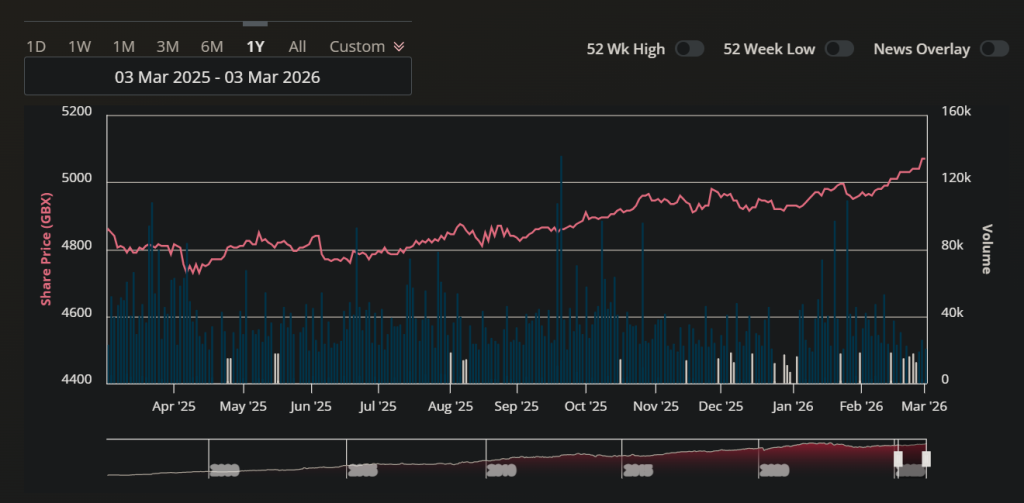
Source: Capital Gearing Trust - Personal Assets Trust (PNL): Managed by Troy Asset Management, this trust focuses on holding high-quality, cash-generative businesses. It is characterised by low volatility and low maximum drawdown compared to its peers.
- Ruffer Investment Company (RICA): This trust uses an ‘all-weather’ approach with a significant focus on protection assets, including cash and derivatives, aiming to avoid large losses during market downturns.
- RIT Capital Partners (RCP): While it has higher equity exposure than the other three, it operates with a more cautious, diversified approach akin to a family office, including unquoted investments and hedge funds.
Other defensive trust options
According to the Association of Investment Companies, defensive protection can be provided by other specialist trusts that may largely avoid equities in favour of a greater allocation to ‘safe haven’ assets, such as gold, short-dated government bonds, currencies and regulated infrastructure assets.
These trusts are designed to have lower, or negative, correlations to the broader stock market, acting as a buffer during downturns.
Specialist trust ideas include:
- BH Macro (BHMG): A hedge fund strategy focused on global bond and currency markets, providing a low correlation to both stocks and bonds, which can protect portfolios in times of market stress.
- Ecofin Global Utilities and Infrastructure (EGL): Offers defensive income through exposure to regulated, stable utilities and infrastructure assets.
- Polar Capital Global Insurance (PCGI): Considered a ‘dull and boring’ defensive option that consistently delivers by investing in high-quality specialist insurance businesses.
- JPMorgan Global Core Real Assets (JARA): Focuses on real estate, transport, and infrastructure, which has provided stable dividends and held its value during equity market falls.
This is just a flavour of the defensive trust options available, not an exhaustive list, and there are plenty of alternatives. But please remember, while these trusts are designed to be defensive, they are not risk-free and may underperform in strong bull markets.
Disclaimer: The author Steven Frazer has a personal interest in Ruffer Investment Company.
You might Also like:
