




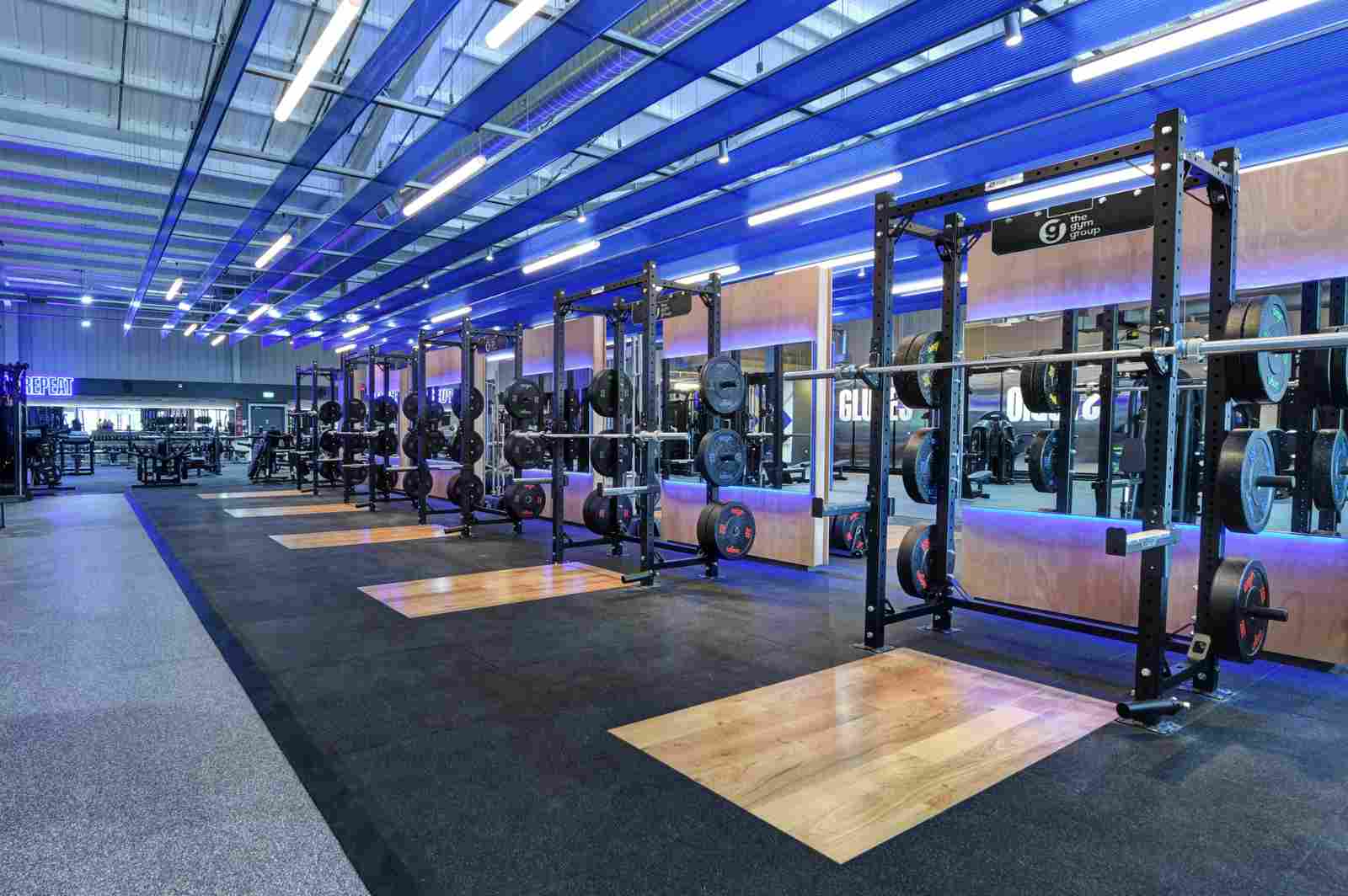
Budget fitness operator Gym Group (LON:GYM) delivered a strong H1 performance with key financial metrics moving in the right direction. Shares in the low-cost gym operator muscled their way higher on news FY26 adjusted EBITDA is now expected to be ‘at the top end’ of analysts’ forecasts.
Profits bulk up
Guided by CEO Will Orr, Gym Group’s revenues rose 10% to £133.1 million in the six months to June 2026. Average members were up 5% to one million and average revenue per member per month grew by 5%. Encouragingly, like-for-like revenue grew by a solid 3%.
| H1 to June 2026 | Movement (%) | |
| Revenue (£m) | 133.1 | 10 |
| Adjusted pre-tax profit (£m) | 6.4 | 31 |
| Free cash flow (£m) | 27.7 | 10 |
| Earnings per share (p) | 2.9 | 21 |
Source: Gym Group, H1 results
Adjusted pre-tax profits powered more than 30% higher to £6.4 million, while strong free cash flow generation funded the opening of new sites, enhancements to existing gyms as well as earnings-enhancing share buybacks.
Guidance upgrade
For FY26, Gym Group remains on track to deliver 3% like-for-like sales growth. Furthermore, like-for-like cost growth is now seen at the lower end of the guided range of 3% to 4%.
As a result, adjusted EBITDA should come in at at the top end of the £60.5 million to £62 million consensus range.
Sustained customer demand
‘We have delivered another strong set of results, reflecting the continued appeal of our high value, low cost proposition, disciplined execution of our growth strategy and sustained customer demand,’ said Orr.
‘Reaching one million members during the period was an encouraging milestone for the group. I’ve also been pleased to see our elevated gym design supporting performance gains in both new and refurbished gyms. This continued focus on product excellence is one of the ways we can build on the momentum we have.’

Gym Group is a growth company in decent shape and with scope to deliver further earnings upgrades. Both mature and new gyms are performing well, reflecting the benefits of the firm’s labour-light business model and the continued appeal of its cheap and cheerful gyms.
The group has an exciting white space and market share grab opportunity ahead of it in a UK health and fitness market with structural growth tailwinds. And its no contract memberships are clearly resonating with cash-strapped consumers who want to get in shape on a budget.
As Orr points out, the value gap between the company’s gyms and middle and premium market rivals remains ‘significant, with the average mid-market competitor at a premium of 55%’. This means Gym Group has headroom to increase prices without eroding its competitive position.
Orr expects to open at least 20 new sites in FY26, in line with his plan to open roughly 75 sites over three years, funded from free cash flow.
