



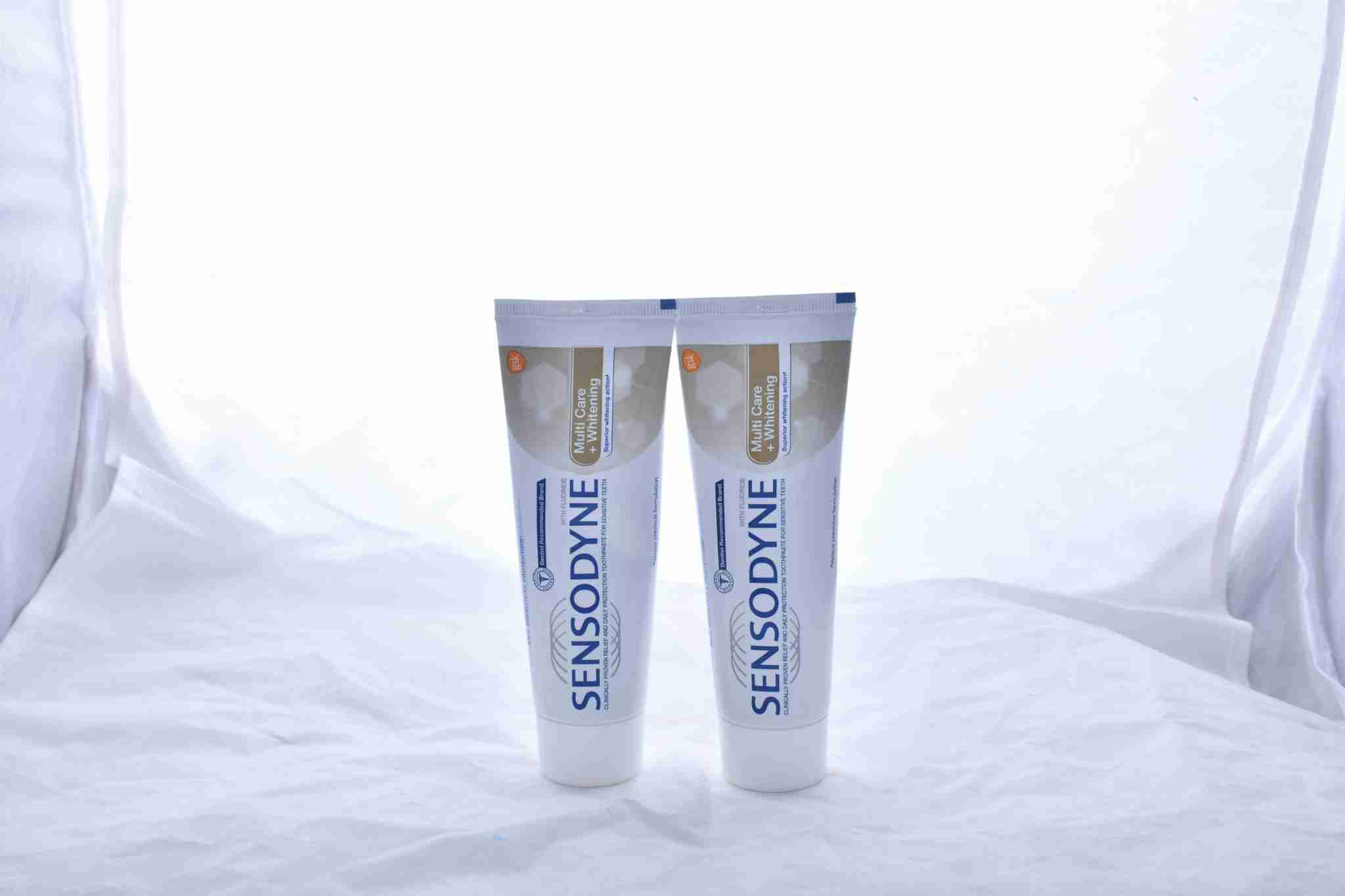
Shares in Haleon (LON:HLN) sank after the consumer health company cut its FY26 organic sales growth guidance. The downgrade followed a Q3 sales miss from the maker of Sensodyne toothpastes and Panadol painkillers.
During a difficult Q3, Haleon witnessed weak demand for its cold medicines in North America and also suffered a regulatory setback in China.
On the positive side of the ledger, Haleon generated robust 5.1% growth in emerging markets, with Sensodyne selling strongly in India. And the FTSE 100 firm launched a further £500 million share buyback in a show of confidence in its long-run growth prospects and cash flow generation.
Q3 sales miss
For the quarter ended 30 September, Haleon reported a 2.6% rise in organic sales. This came in below the 3.2% analysts were calling for and reflected ‘soft’ cold and flu product consumption in North America, Haleon’s biggest market.
In addition, a raw material classification change for Centrum OTC (over-the-counter) multivitamins in China forced the company to cease importation of these products until further notice.
| Q3 to Sept | Reported revenue (£m) | Organic growth (%) |
| Haleon | 2,868 | +2.6 |
| North America | 992 | +2.5 |
| Europe | 798 | -0.6 |
| APAC | 593 | +3.9 |
| International | 485 | +6.9 |
Source: Haleon, Q3 trading statement
Led by CEO Brian McNamara, Haleon also warned of a £15 million to £20 million Q4 revenue hit from its plans to accelerate a new go-to-market model in Brazil to coincide with the implementation of the country’s new tax framework.
Guidance downgrade
For FY26, Haleon now expects to generate organic revenue growth of ‘around 2.5%’, a downgrade on previous guidance for growth in the 3% to 5% range.
On a bad day for shareholders, McNamara was keen to accentuate the positives. ‘We delivered strong performances in Oral Health and our turnaround plan in North America continues to make progress,’ he explained.
‘We are clear on where we need to improve and we are taking action to deliver stronger performance despite challenging markets. High gross margin and continued progress on supply chain productivity provide us with a uniquely strong platform to invest behind our brands and capabilities while delivering strong growth in profit and cash.’

Haleon’s Q3 miss and FY26 growth downgrade are a blow to investors who own the stock for its defensive attributes and developing markets growth potential. That said, we think today’s share price reaction is overly harsh.
Keep in mind, Haleon owns a portfolio of superior brands – Advil, Centrum, Otrivin, Panadol, parodontax, Polident, Sensodyne, Theraflu and Voltaren – that are trusted by more than one billion consumers and recommended by health professionals around the world. The company has pricing power and is formidably cash generative.
To restore confidence in the story, McNamara needs to drive stronger volume growth and return Haleon to consistent delivery of its medium-term growth guidance. Until then, the company will remain in the doghouse with investors.
Disclaimer: The author (James Crux) owns shares in Haleon
